Yshai
Loading Portfolio
Hi, I'm Yshai
Building innovative solutions at the intersection of technical excellence and entrepreneurial vision.

Experience
My academic journey and professional milestones in computer science and AI
Software & AI Engineer
Part of a 15-student team developing ETH’s first humanoid robot, focusing on reiforcement learning and control policies
Designing and implementing custom reinforcement learning-based walking policies
Master of Science in Computer Science
Graduate program with focus on AI, machine learning, and advanced computer science
Learn moreDesigned, developed, and delivered production features serving 100,000+ patients every month
Led end-to-end development of a scalable outbound calling system for appointment reminders and confirmations, now fully deployed in production
Built internal tools and backend services that streamlined operations and boosted team efficiencys
Built and deployed a production-grade Retrieval-Augmented Generation (RAG) system
Enabled intelligent, context-aware queries over team documentation and experimental data
Improved team productivity by streamlining knowledge access
Bachelor of Science in Computer Science
World-class degree covering algorithms, programming, software engineering, computer systems, and data science, with a strong balance of theory and hands-on experience.
Learn moreSelected Projects
A collection of projects spanning AI, systems programming, and full-stack development
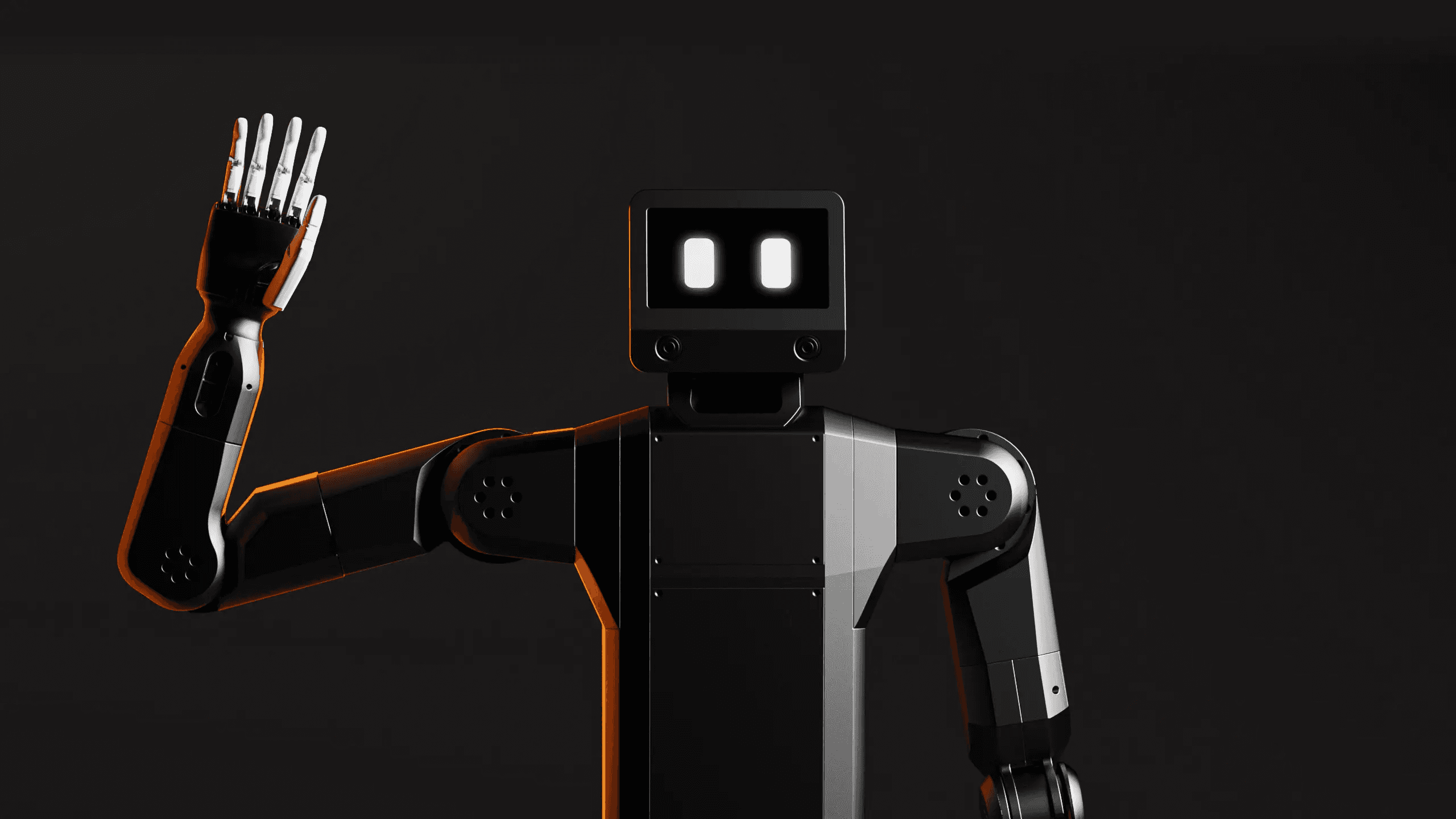
ETHRC Humanoid Robot
As part of the newly founded ETH Robotics Club, I am contributing to the Humanoid Division, whose mission is to design and build a humanoid robot entirely from scratch and train it to operate in real-world scenarios. My role focuses on the software side, with a specialization in reinforcement learning and advanced control algorithms for policy training.
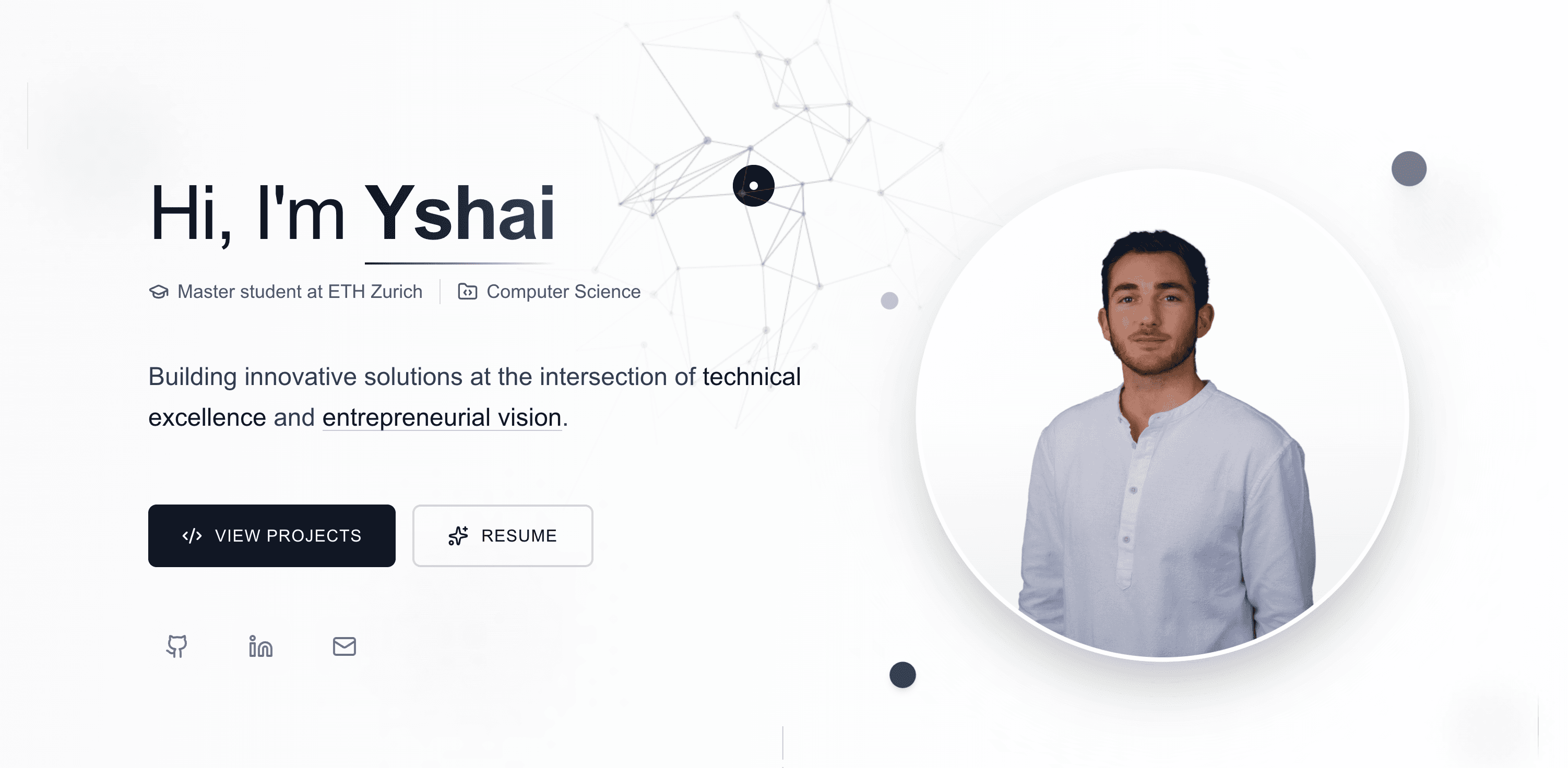
Personal Portfolio Website
An interactive and modern portfolio showcasing my academic and professional journey. Built with Next.js, Tailwind, GSAP, and Three.js, it combines sleek design with immersive animations. The site features a 3D particle background, custom cursor, horizontal project scrolling, and an interactive timeline of education and experience. With a fully responsive layout and smooth animations, it offers a polished, engaging way to present projects and skills.
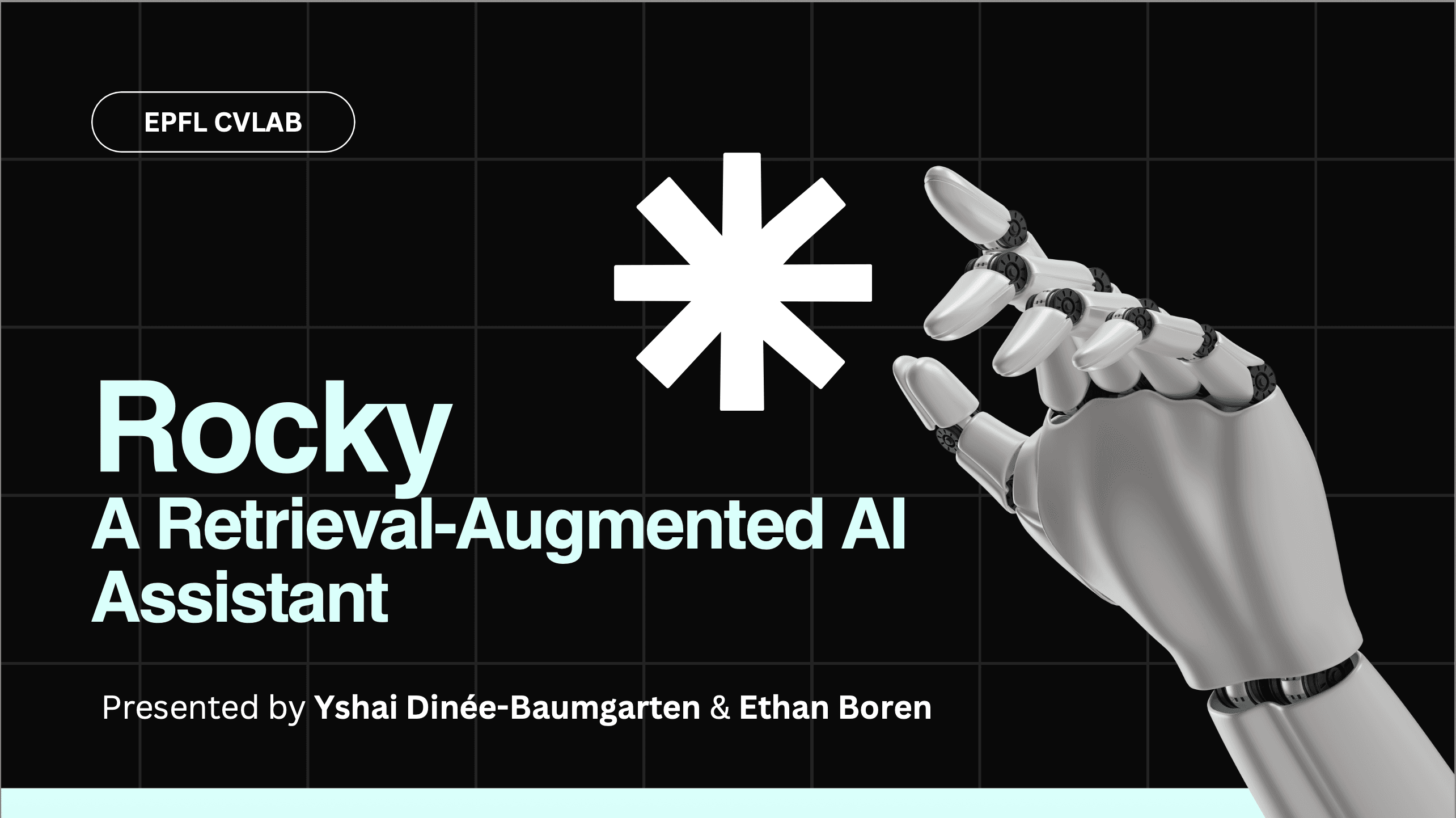
Rocky: Retrieval-Augmented AI Assistant
A robust RAG system designed for the EPFL Rocket Team’s wiki. It enables seamless question answering and knowledge retrieval from Markdown documentation. Rocky integrates LangChain, Chroma, and GPT-4o-mini, supporting document indexing, query rewriting, reranking, and evaluation with BLEU/ROUGE metrics. The system is fully dockerized for easy deployment and includes scripts for updating, deduplication, and managing the vector store. It significantly improves knowledge accessibility and experimental workflows within the team.

Solvit: AI-Powered Service Marketplace
A mobile platform connecting people with trusted professionals for everyday services. Designed as an Android app, it simplifies finding reliable providers while ensuring transparency in pricing and reviews. Users can post problems, browse providers on a map or list, filter by ratings or proximity, and chat directly with service professionals. An AI assistant recommends the best match using text or image descriptions of the issue. Solvit streamlines the process for both seekers and providers with real-time updates and a clean user experience.
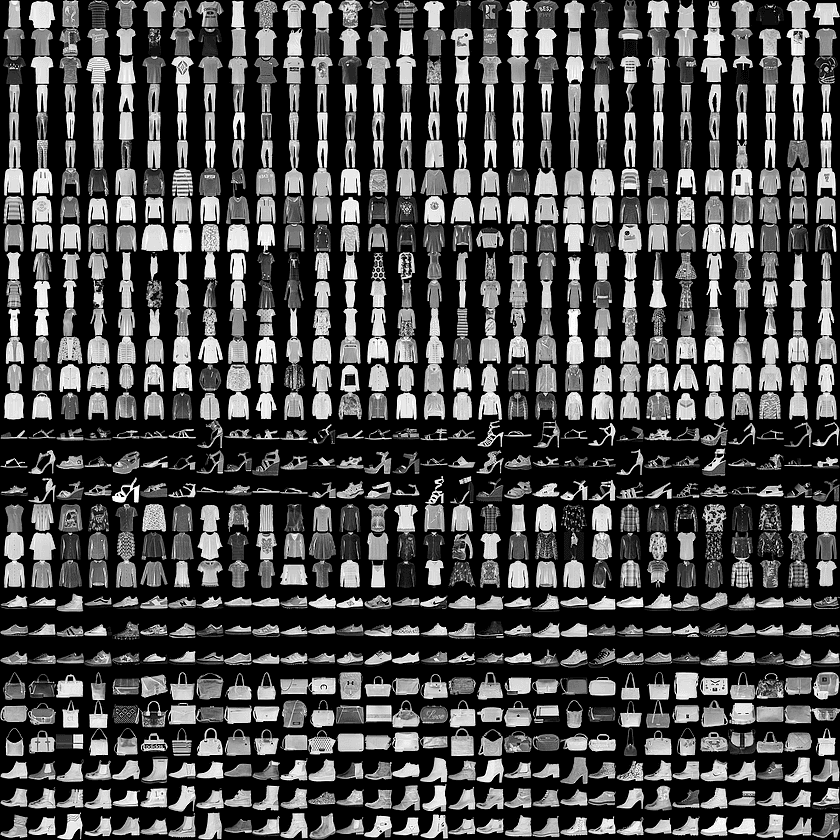
Image Classification with Deep Learning
A comprehensive machine learning project exploring image classification with both classical and deep learning methods. It applies PCA, MLPs, CNNs, and Vision Transformers to Fashion-MNIST data, benchmarking performance with accuracy and macro F1-score. The project features a modular PyTorch training pipeline, command-line customization, and careful evaluation on validation/test sets. Architectures include PCA for dimensionality reduction, fully connected MLPs, CNNs for spatial data, and patch-based transformers for modern attention-based modeling.

ImgFS: Custom File System for Images
A specialized file system in C designed for efficient image storage and retrieval. It supports multi-resolution images, SHA-256 deduplication, and both CLI and RESTful API interfaces. ImgFS automatically manages thumbnails, small, and original resolutions while ensuring metadata integrity. The project includes a command-line tool (`imgfscmd`) and a custom web server (`imgfs_server`), built with a socket layer, JSON-C, and VIPS for image processing. With strong error handling, memory safety, and test coverage, ImgFS is inspired by large-scale systems like Facebook’s Haystack.
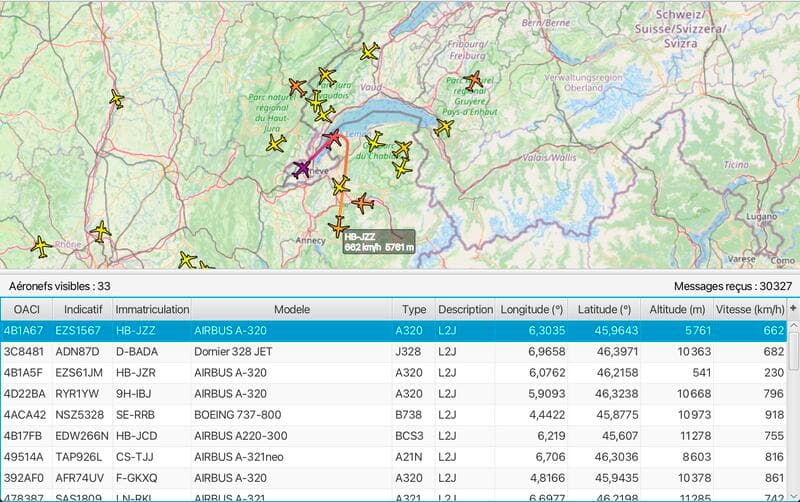
Javion: Real-Time Air Traffic Visualization
A real-time Java application for tracking aircraft via ADS-B signals. It decodes radio transmissions into aircraft identification, position, and velocity, and visualizes them on an OpenStreetMap interface. Javion features live tracking with trails, a searchable aircraft table, and detailed flight data (ICAO, altitude, speed, registration). Built with multi-threaded signal processing, CPR decoding, and efficient tile caching, it combines performance with usability. Developed at EPFL as part of an advanced OOP course, the project showcases concurrent programming, signal processing, and GUI design in JavaFX.